Why bristle firmness matters for your enamel and gums, and how to choose the right brush for your family
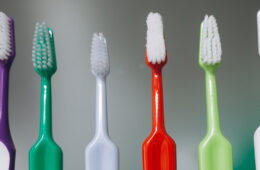
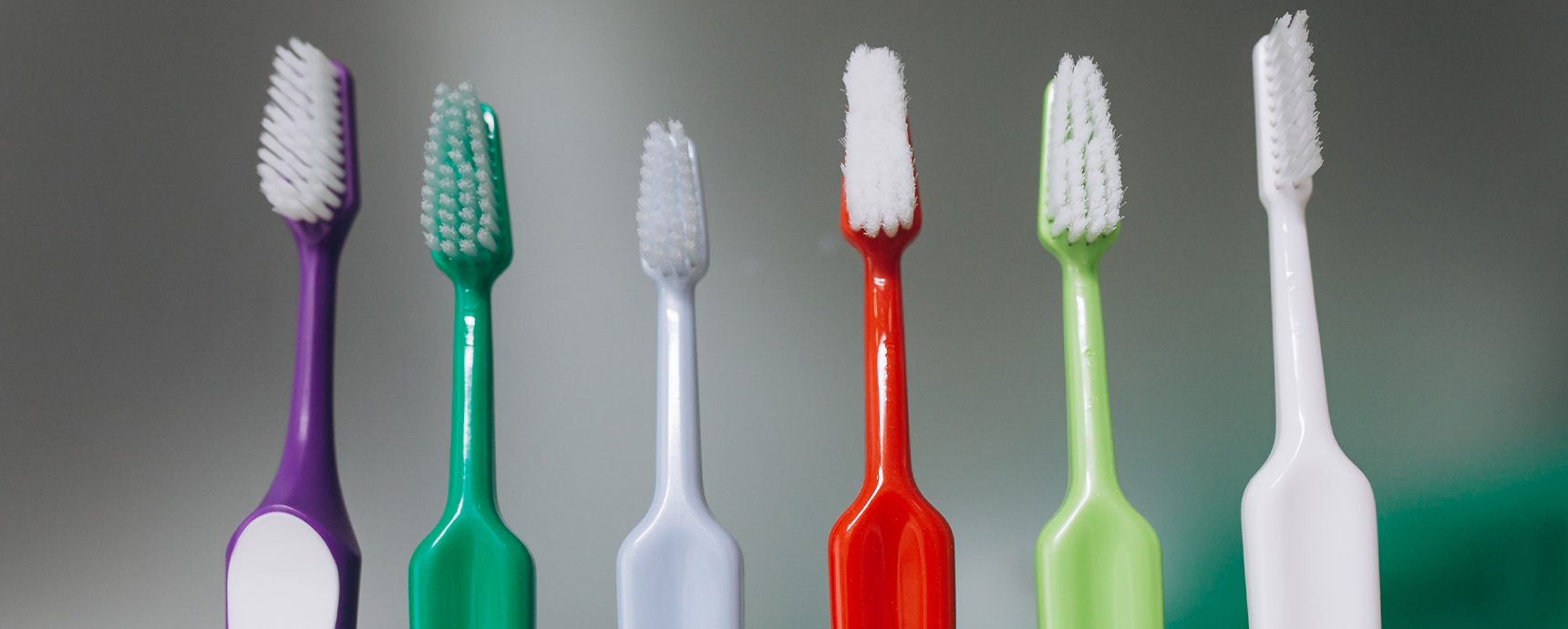
Stand in the toothbrush aisle for a minute, and the choices pile up. There are dozens of shapes, colors and handle designs, and on every package there’s a label: soft, medium, or hard.
It’s natural to think a firmer brush must clean better. After all, if you’re scrubbing a pan, you reach for something tough. But your teeth and gums aren’t a frying pan, and when it comes to bristles, firmer isn’t better.
At The Smile Place Family Dentistry, bristle choice is one of the questions we hear most often at cleanings in Cornwall and Middletown. Here’s what you need to know to choose the right brush for you and your family.
The Short Answer: Soft Bristles Are the Best Choice for Most People
For nearly everyone, a soft-bristled toothbrush is the recommended choice. The American Dental Association recommends soft bristles, and most dental professionals agree.
Soft bristles are firm enough to remove plaque, the sticky film of bacteria that builds up on teeth, while being gentle on enamel and gum tissue. Plaque is soft. It doesn’t take force to remove it, just good technique and consistency.
Comparing Soft, Medium and Hard Bristles
Soft Bristles
- Remove plaque effectively when used with proper technique
- Flex to reach slightly below the gumline and between teeth
- Gentle on enamel, gums and existing dental work
- Comfortable for sensitive teeth and gums
- Best for: adults, children, and nearly everyone else
Medium Bristles
- Firmer feel that some people prefer
- Greater risk of irritating gums, especially for people who brush with pressure
- Offer no meaningful cleaning advantage over soft bristles
- Best for: only use them if your dentist has specifically recommended them for you
Hard Bristles
- Can wear down enamel over time, especially with heavy pressure
- Can contribute to gum irritation and gum recession
- Don’t flex well, so they’re less effective at cleaning along the gumline
- Best for: generally not recommended for teeth
Why Hard Bristles Can Do More Harm Than Good
Enamel Wear
Tooth enamel is the hardest substance in the body, but it isn’t indestructible. Scrubbing with stiff bristles, especially combined with heavy pressure, can gradually wear enamel away. Once enamel is lost, it doesn’t grow back.
Gum Recession
Aggressive brushing with firm bristles can irritate gum tissue and contribute to gums pulling back from the teeth. As gums recede, more of the tooth’s root becomes exposed.
Tooth Sensitivity
Worn enamel and exposed roots can both lead to sensitivity. If a sip of cold water or a bite of ice cream makes you wince, your brushing habits may be part of the picture. It’s worth mentioning at your next visit.
Wear on Dental Work
If you have crowns, veneers, bridges or fillings, firm bristles and heavy pressure can be harder on those restorations, too. A soft brush helps protect your investment in your smile.
Technique Matters as Much as Bristles
Even the softest brush can cause problems if you’re scrubbing too hard. Good technique is what really keeps teeth clean:
- Angle the brush at 45 degrees toward the gumline.
- Use gentle, short strokes or small circles rather than hard back-and-forth scrubbing.
- Hold your brush like a pencil, not a fist. A lighter grip naturally reduces pressure.
- Brush for two full minutes, twice a day, with fluoride toothpaste. Our post on the 2-2-2 rule makes the routine easy to remember.
- Clean all surfaces: outer, inner and chewing surfaces, plus your tongue. (See Tongue Cleaning: Why It Matters for Families.)
Quick check: If your toothbrush bristles are flattened or splayed outward after just a few weeks, you’re likely pressing too hard.
Brushing too hard is one of the most common mistakes we see.
Choosing the Right Brush for Every Member of the Family
Adults
A soft-bristled brush with a head small enough to reach your back teeth comfortably is ideal. Look for the ADA Seal of Acceptance on the package.
Children and Toddlers
Kids need soft bristles and a child-sized head that fits their smaller mouths. A handle that’s easy for little hands to grip helps them build independence. For tips, see How to Prevent Cavities in Kids and Daily Brushing Routine for Families: A Simple Guide That Actually Works. At The Smile Place, Dr. Kellie Schlosser has a special way of putting children at ease, and our team is always happy to show kids and parents proper brushing technique.
People With Sensitive Teeth or Gum Concerns
Extra-soft bristles may be more comfortable if you have sensitivity or gum recession. If you’ve had gum disease treatment such as scaling and root planing, which The Smile Place offers, ask your hygienist which brush is best for your healing gums.
People With Braces, Implants or Restorations
A soft brush is gentle on gums around implants, crowns and bridges. Your dentist may also recommend additional cleaning tools for hard-to-reach areas.
What About Electric Toothbrushes?
Most electric toothbrush heads come with soft bristles by design, and many models include a pressure sensor that alerts you when you’re brushing too hard. That makes them a helpful option for people who tend to scrub aggressively. Both manual and electric brushes clean effectively when used correctly. For a full comparison, read Electric vs. Manual Toothbrush for Families.
Don’t Forget to Replace Your Brush
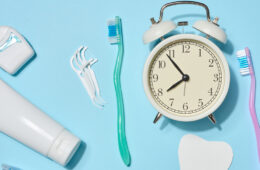
Even the right brush stops working well once it wears out. Replace your toothbrush, or your electric brush head, every three to four months, or sooner if the bristles look frayed. It’s also a good idea to replace it after you’ve been sick. Learn more in How Often Should You Replace Your Toothbrush.
Your Hygienist Can Help You Choose
The best way to know whether your brush and technique are working is to ask. During your cleaning at The Smile Place, our hygienists can spot signs of over-brushing, like gum recession or enamel wear, and recommend the right brush for your needs.
Our patients often tell us how much they value that guidance. As Barbara M. shared about her visit: “My checkup with Liz was thorough and professional. Liz is always ready to answer any questions and concerns I might have.”
As a locally owned private practice, The Smile Place takes the time to get to know you and your family. You’ll see the same trusted faces at every visit, and your care is tailored to you.
Frequently Asked Questions
Are soft or medium toothbrushes better? Soft-bristled toothbrushes are the better choice for most people. They clean effectively and are gentler on enamel and gums. Medium bristles don’t offer extra cleaning benefit and can irritate gums.
Are hard bristle toothbrushes bad for your teeth? Hard bristles can wear down enamel and contribute to gum irritation and recession over time, especially when combined with heavy brushing pressure. Most dental professionals do not recommend them.
Do soft bristles clean as well as hard bristles? Yes. Plaque is soft and comes off easily with proper technique. Soft bristles also flex to clean along and slightly beneath the gumline, where firm bristles can’t reach as well.
How do I know if I’m brushing too hard? Flattened or splayed bristles after only a few weeks, gum tenderness, receding gums, or new tooth sensitivity can all be signs. An electric toothbrush with a pressure sensor can help.
What toothbrush should my child use? Children should use a soft-bristled toothbrush with a child-sized head. Parents should help with brushing until children can do a thorough job on their own.
How often should I replace my toothbrush? Every three to four months, or sooner if the bristles become frayed or after an illness.
Schedule Your Cleaning at The Smile Place
The right toothbrush, used the right way, is one of the simplest ways to protect your smile for life. If you have questions about your brush, your technique or your gum health, The Smile Place team is here to help. Contact either of our convenient locations to book your visit.
Cornwall, NY
8 Quaker Avenue, Cornwall, NY 12518
📞 845-534-2030
Monday–Wednesday 9:00 AM–5:00 PM | Thursday 9:00 AM–4:00 PM
Middletown, NY
594 E Main Street, Middletown, NY 10940
📞 845-342-2125
Monday–Friday 8:30 AM–5:00 PM | Select Saturdays 8:30 AM–1:00 PM (twice a month, September through March)
The Smile Place Family Dentistry: locally owned care for every smile in your family.