
The answer is probably sooner than you think — and the reason matters more than you’d expect
It’s one of those things that sits in your bathroom holder for months, sometimes way too many months, until you notice the bristles look like they’ve been through something and finally swap it out.
Most people replace their toothbrush when it looks worn. The problem is that a toothbrush stops working effectively well before it looks obviously bad. By the time bristles are visibly splayed and fraying, they’ve already been underperforming for weeks.
Here’s everything your family needs to know about when to replace toothbrushes, what to look for, and why it actually matters.
The Standard Recommendation: Every 3 to 4 Months
The American Dental Association recommends replacing your toothbrush, or electric toothbrush head, every 3 to 4 months. That’s the baseline for a healthy adult brushing twice a day with normal pressure.
For most families, that works out to roughly four toothbrushes per person per year. If that sounds like more than you’ve been buying, you’re not alone. The average person holds onto a toothbrush far longer than they should.
The reason the timeline matters: bristles lose their stiffness and shape with use. As they wear down, they become less effective at removing plaque from tooth surfaces and along the gumline. A worn toothbrush doesn’t just clean less thoroughly; it can leave behind the exact buildup you think you’re removing.
Signs You Need to Replace It Sooner
Three to four months is the maximum, not the target. Several situations call for an earlier swap:
The Bristles Are Visibly Worn
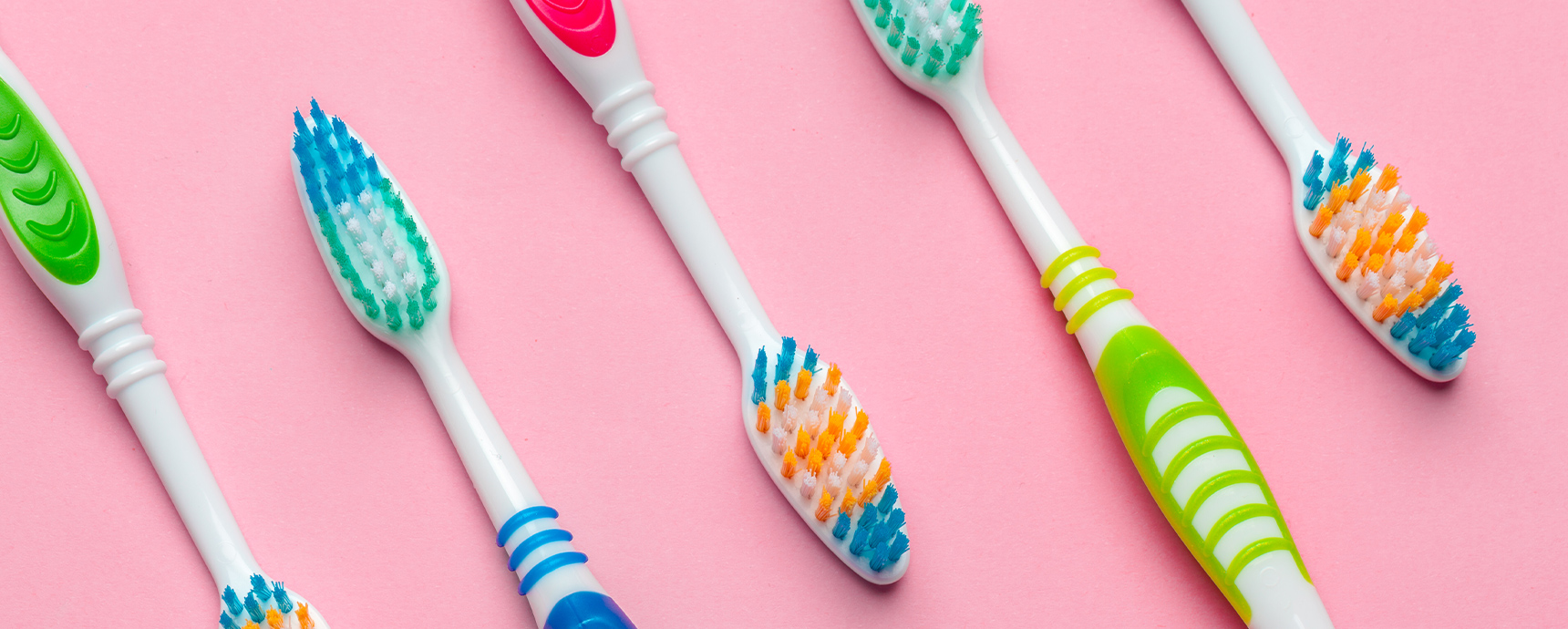
If the bristles are splayed outward, bent, or matted down, the toothbrush has passed its useful life. Frayed bristles can’t make proper contact with tooth surfaces and are significantly less effective at cleaning. If you’re seeing this before three months, it usually means brushing too hard, which is its own problem worth addressing.
You’ve Been Sick
Replace your toothbrush after any illness: cold, flu, strep throat, or mouth infection. Bacteria and viruses can linger on bristles and potentially reintroduce themselves to your system or spread to other family members. This applies even if you recovered quickly. A new toothbrush is cheap insurance.
Someone Else Used It
It happens, especially with young children who grab whatever’s closest. Toothbrushes harbor the bacteria specific to the person using them. Sharing one, even once, transfers that bacteria directly. Replace it.
It’s Been Stored Poorly
A toothbrush that’s been stored in a closed container while damp, packed in a toiletry bag for an extended trip, or left face-down on a counter has likely accumulated bacteria beyond normal levels. If you’re not sure, replace it.
It’s Been Near a Sick Family Member’s Brush
Toothbrushes stored together in the same holder can cross-contaminate through contact or even aerosol splatter. If someone in the house has been sick and brushes are stored close together, consider replacing the whole household’s brushes as a precaution.
How Often Should Children Replace Their Toothbrushes
Children typically need more frequent replacements than adults, often every 2 to 3 months rather than 3 to 4. There are a few reasons for this:
They brush harder. Children learning to brush often use more pressure than needed, which wears bristles down faster.
They chew on their toothbrushes. Especially toddlers and younger children. If bristles are bent or chewed, the brush is done regardless of how long it’s been in use.
Their toothbrushes are smaller. Smaller brush heads mean less bristle surface area to begin with, so wear affects performance more quickly.
They get sick more often. School-age children average 6–8 colds per year. Each illness is a reason to swap the brush.
A practical approach for families: buy toothbrushes in multi-packs, keep a small supply on hand, and replace without waiting for visible wear. If you’re checking in on your child’s brushing technique, which you should be, through at least age 8. You’ll naturally notice when the bristles need replacing.
Electric Toothbrush Heads: Same Rules Apply
If your family uses electric toothbrushes, the heads follow the same replacement schedule: every 3 months for adults, every 2 to 3 months for children. Electric brush heads often show wear even faster than manual brushes because the oscillating or sonic motion creates more friction per use.
Most electric toothbrush manufacturers include a fading color indicator on the bristles to signal when replacement is due. These are helpful, but treat them as a minimum; don’t wait for the indicator if bristles are visibly worn before then.
Replacement heads can be expensive if bought individually. Buying in multipacks from the manufacturer or a warehouse store significantly reduces the per-head cost and removes the excuse of “I’ll get one next time I’m at the pharmacy.”
How to Make Toothbrush Replacement a Habit
Knowing you should replace your toothbrush every 3 months and actually doing it are two different things. A few approaches that help:
Tie It to a Calendar Anchor
Pick four dates at the start of each year and add a recurring reminder to your phone: January 1, April 1, July 1, and October 1. Seasonal changes work well as memory triggers. Some families replace brushes at the start of each school term.
Replace After Every Illness
Make it a household rule that a new toothbrush comes out of the supply whenever someone has been sick. Keeping a small backup stock in the bathroom cabinet makes this automatic rather than something that requires a trip to the store.
Buy in Multipacks
A single toothbrush purchase creates a mental barrier to replacing it; you just bought it, so it feels wasteful. A multipack removes that barrier. When a brush is ready to retire, the next one is already there.
Use the Dentist Visit as a Reminder
Most dental cleanings happen every 6 months. While that’s not frequent enough to be your only replacement trigger, walking out of your appointment with a fresh toothbrush from the dentist is a natural reset. Replace at your cleaning and again at the midpoint between visits.
Proper Toothbrush Care Between Replacements
Getting full value from a toothbrush in its 3-month window means caring for it correctly:
Rinse thoroughly after every use. Run water through the bristles to remove toothpaste, saliva, and debris. Leftover residue creates an environment where bacteria thrive.
Store it upright and open to the air. An upright position lets gravity drain moisture away from the bristles. Air circulation prevents the humid, sealed environment that bacteria favor. Avoid toothbrush covers that enclose the head completely; they trap moisture.
Keep brushes separated. In a family holder, make sure toothbrush heads aren’t touching. Contact between heads transfers bacteria between family members.
Don’t share. Worth repeating: toothbrushes are personal items. Not between spouses, not between siblings, not “just this once.”
Skip the dishwasher or microwave. You might have seen these suggested as sanitizing methods. The heat damages bristles and deforms the brush head, shortening the toothbrush’s useful life rather than extending it.
Soaking in mouthwash for 2 minutes after use can reduce bacterial load on the bristles, a reasonable practice if someone in the house is immunocompromised or illness-prone.
What Happens If You Don’t Replace It?
Beyond the cleaning effectiveness dropping off, a very old toothbrush carries a higher bacterial load than a new one, even with proper rinsing. The bristles develop microscopic crevices over time that trap bacteria in ways rinsing can’t fully clear.
There’s also the issue of introducing those bacteria directly to your gumline with every brush. For most healthy adults, the immune system handles this without issue. But for children, elderly family members, or anyone with compromised immunity, it’s a genuine consideration worth taking seriously.
The practical reality: a toothbrush costs between $2 and $5. The cost of not replacing it, in terms of cleaning effectiveness and hygiene, is much higher than that over time.
Toothbrush Replacement at a Glance
Who | Replace Every |
Healthy adults | 3–4 months |
Children (any age) | 2–3 months |
After any illness | Immediately |
After someone else uses it | Immediately |
If bristles look worn | Immediately, regardless of timeline |
Electric brush heads | Same as above |
A Note on Toothbrush Bristle Hardness
While you’re thinking about replacing your toothbrush, it’s worth making sure you’re replacing it with the right one. The American Dental Association recommends soft bristles for virtually everyone — children and adults alike.
Medium and hard bristles feel more thorough, but they’re not. They’re more abrasive on enamel and more likely to irritate and recede gum tissue over time. The effectiveness of brushing comes from technique and consistency, not bristle stiffness.
When to Ask Your Dentist
If you’re consistently seeing worn bristles before the 3-month mark, mention it at your next visit. It usually means you’re brushing with too much pressure, something many people do without realizing it. Over time, aggressive brushing can cause enamel wear and gum recession that’s difficult to reverse. A quick technique adjustment makes a significant difference.
Our team at The Smile Place is always happy to look at your current toothbrush during your visit and give honest feedback on what it tells us about your brushing habits. We see patients at both our Cornwall location (845-534-2030) and our Middletown location (845-342-2125).
The Bottom Line
Replace your toothbrush every 3 to 4 months; sooner if the bristles are worn, if you’ve been sick, or if anyone else has used it. Children’s brushes need replacing even more frequently, every 2 to 3 months, due to harder brushing habits and more frequent illness.
It’s a small, inexpensive habit with a meaningful impact on how well your daily brushing actually works. Buy in multipacks, set a calendar reminder, and stop waiting until it looks bad. The toothbrush that looks fine is often the one that stopped performing weeks ago.
The Smile Place Family Dentistry serves families in Cornwall and Middletown, NY. To schedule an appointment or ask about any of our services, call us at 845-534-2030 (Cornwall) or 845-342-2125 (Middletown).