

From daily habits to smart snack swaps, here’s what actually works
A few weeks into the school year, most families have settled into a new normal — packed lunches, after-school activities, and a schedule that moves fast. It’s also right around when cavities tend to sneak up. Between school snacks, sports drinks, and busy mornings that cut brushing time short, kids’ teeth are working overtime.
The good news: cavity prevention doesn’t require a complete lifestyle overhaul. At The Smile Place Family Dentistry, we work with families across Cornwall and Middletown every day, and the kids with the healthiest smiles usually aren’t doing anything extreme — they’re just doing a handful of things consistently. Here’s what actually makes a difference.
Why Kids Are Especially Prone to Cavities
Children’s teeth have thinner enamel than adult teeth, which makes them more vulnerable to the acids produced when bacteria in the mouth break down sugar. Add in a diet that often includes more sugary snacks and juices, plus brushing habits that are still developing, and it’s easy to see why cavities are one of the most common chronic conditions in childhood.
The goal isn’t to eliminate every treat — it’s to reduce how often teeth are exposed to sugar and to make sure plaque gets cleared away before it has a chance to do damage.
1. Stick to a Consistent Brushing Routine
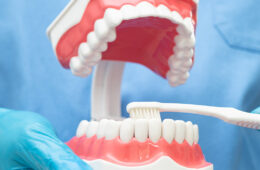
Brushing twice a day, for two minutes, with a fluoride toothpaste is still the foundation of cavity prevention. For younger children, this usually means an adult brushing their teeth for them, or at least supervising closely, until they have the coordination to do a thorough job on their own — typically around age 6 or 7.
A few tips our hygienists share with parents:
- Set a timer or play a two-minute song to keep brushing from getting rushed
- Angle the brush toward the gumline, where plaque tends to build up first
- Don’t forget the back molars — they’re the most common spot for cavities in kids
- 2. Rethink Snack Timing, Not Just Snack Choices
It’s not just what kids eat — it’s how often. Constant grazing throughout the day means teeth are almost never getting a break from acid exposure, even if the snacks themselves are relatively healthy.
Try to:
- Group snacks into set times rather than allowing all-day nibbling
- Offer water between snacks and meals instead of juice or sports drinks
- Choose snacks that clear the mouth quickly — cheese, nuts, and raw vegetables are easier on teeth than sticky, starchy, or gummy foods that cling to enamel
3. Don’t Skip Flossing Once Teeth Touch
As soon as two teeth touch each other, food and plaque can get trapped between them where a toothbrush can’t reach. Flossing once a day — even just a quick pass with kid-friendly floss picks — closes that gap.
4. Ask About Fluoride and Sealants
Fluoride strengthens enamel and helps it resist acid attacks, which is why our doctors often recommend fluoride treatments during routine cleanings for kids who are cavity-prone.
5. Keep Up with Regular Checkups
Even with great habits at home, professional cleanings catch what a toothbrush misses, and early-stage cavities are far easier (and less costly) to treat than ones that have progressed. Most families do well with a checkup every six months, though your dentist may recommend a different schedule depending on your child’s individual risk factors.
What Our Patients Say
Parents who bring their kids to The Smile Place often mention how much easier dental visits become once their child feels comfortable with our team. As one parent shared: “I was looking for a new dentist for my family and saw good reviews about The SmilePlace… everyone made you feel comfortable right from the start.” Dr. Kellie Schlosser, in particular, has built a reputation for putting nervous young patients at ease — something that makes it much easier to stay consistent with preventive visits.
Frequently Asked Questions
At what age should my child start seeing a dentist? The American Academy of Pediatric Dentistry recommends a first visit by age one, or within six months of the first tooth appearing. Early visits help your child get comfortable with the dentist’s office before any treatment is ever needed.
Are baby teeth really worth protecting if they’re going to fall out anyway? Yes. Baby teeth hold space for adult teeth and support proper chewing, speech development, and jaw growth. Cavities in baby teeth can also lead to infection or pain that affects a child’s daily life.
Is fluoride toothpaste safe for young kids? Yes, when used appropriately for the child’s age. A rice-grain-sized amount for children under 3, and a pea-sized amount for ages 3 and up, is the standard guidance — your dentist can confirm what’s right for your child.
Schedule Your Child’s Next Visit
Whether it’s time for a routine cleaning or you have questions about your child’s specific risk for cavities, The Smile Place Family Dentistry is here to help. We offer two convenient locations:
Cornwall, NY
8 Quaker Avenue, Cornwall, NY 12518
(845) 534-2030
Middletown, NY
594 E Main Street, Middletown, NY 10940
(845) 342-2125
For more tips on family dental care, visit us at TheSmilePlaceNY.com/blog or contact either office to schedule an appointment today.