
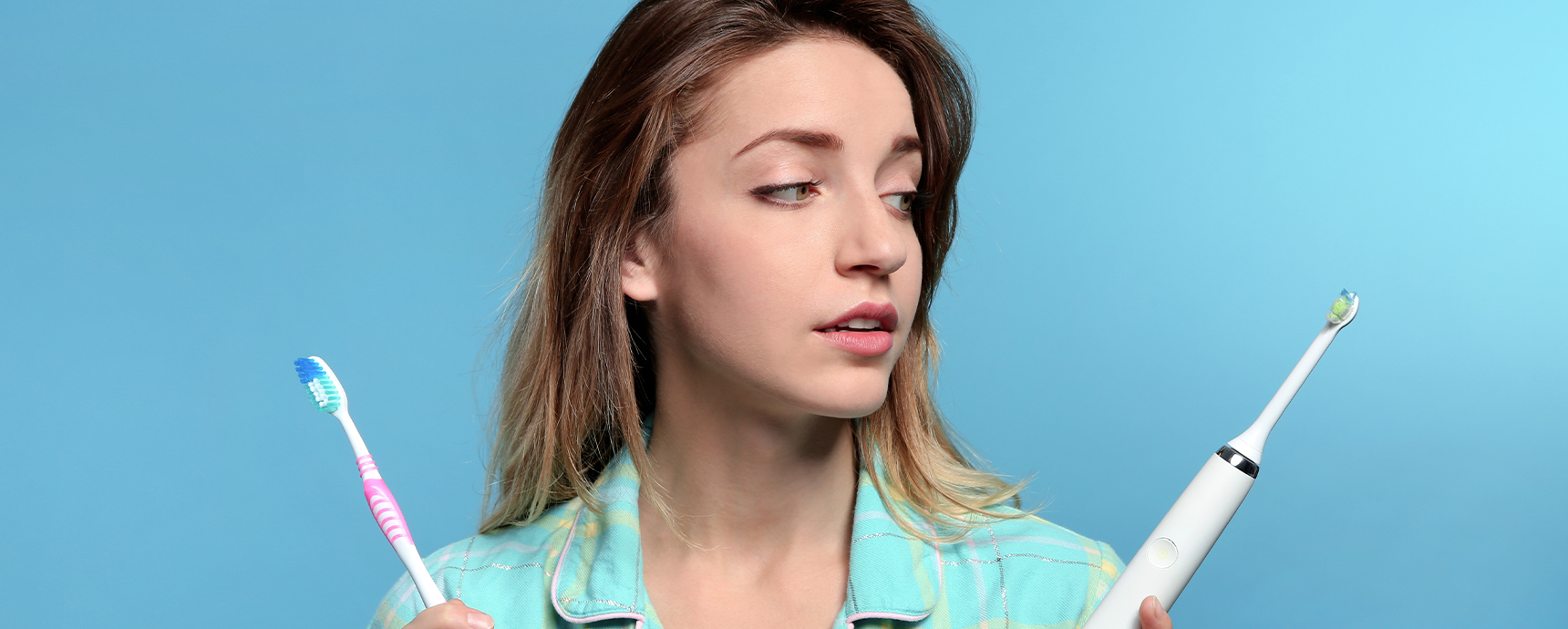
We break down the real differences to help you decide
It’s one of the most common questions we hear at The Smile Place Family Dentistry: is an electric toothbrush really worth it, or does a manual toothbrush do just as good a job? The honest answer is that both can lead to a healthy smile — but there are real differences worth knowing about, especially if you’re brushing for a whole family with different ages, habits, and needs.
Here’s how the two compare, and how to figure out which one makes sense for your household.
How Manual Toothbrushes Stack Up
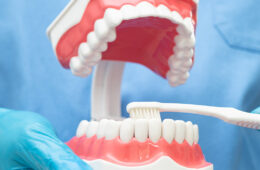
A manual toothbrush is simple, inexpensive, and effective when used correctly. The technique matters more than the tool: a 45-degree angle at the gumline, gentle circular motions, and a full two minutes twice a day will remove plaque just as well as many powered brushes.
Manual toothbrushes tend to work well for:
- Families on a budget, since they cost a fraction of an electric brush
- Kids and adults who already have solid brushing technique
- Travel, since there’s no charging or batteries to worry about
The tradeoff is that results depend heavily on the person using it. It’s easy to brush too hard, miss spots, or cut the two minutes short — especially with kids who are still building the habit.
How Electric Toothbrushes Stack Up
Electric toothbrushes use oscillating, rotating, or sonic vibrations to do more of the work for you. Research has generally shown that electric brushes — particularly oscillating-rotating models — can reduce plaque and gum inflammation somewhat more effectively than manual brushing over time.
Electric toothbrushes tend to be a great fit for:
- Kids and teens who struggle with consistent technique or brushing long enough
- Anyone with limited dexterity, including older adults or those with certain motor conditions
- Patients with braces, since the vibration helps dislodge food and plaque around brackets
- Families who like built-in timers, which take the guesswork out of hitting two full minutes
The main downsides are cost and upkeep — replacement brush heads and occasional charging are part of the deal.
What Actually Matters Most
Whichever style your family chooses, a few things matter more than the brush itself:
- Soft bristles. Hard or medium bristles can wear down enamel and irritate gums over time, regardless of whether the brush is manual or electric.
- Two full minutes, twice a day. This is the baseline our doctors recommend for every patient, adult or child.
- Replacing it regularly. Bristles fray and lose effectiveness after about three months — sooner if you notice visible wear.
- Fluoride toothpaste. The brush does the mechanical work, but fluoride is what actually strengthens enamel against decay.
For many of the families we see at The Smile Place, the best approach is actually a mix — an electric brush for younger kids who need help staying consistent, and manual brushes for older kids and adults who already have good technique dialed in.
What Our Team Recommends
Dr. David Rothstein, who has been with The Smile Place since 2003, often tells patients that the “best” toothbrush is simply the one they’ll actually use correctly, twice a day, without fail. Consistency beats technology every time. That said, for younger patients still developing their routine, Dr. Kellie Schlosser frequently recommends electric brushes with built-in timers, since they take the pressure off parents to supervise the clock every single time.
Frequently Asked Questions
Do electric toothbrushes actually clean better than manual ones? Studies suggest electric brushes, especially oscillating-rotating models, can reduce plaque and gingivitis slightly more than manual brushing over the long term — but a well-used manual toothbrush is still very effective. Technique and consistency matter more than the brush type.
What toothbrush is best for a toddler? A soft-bristled manual brush sized for small hands is usually recommended for toddlers, since parents are doing most of the brushing anyway. As kids get older and start brushing independently, an electric brush with a timer can help them stay on track.
How often should I replace my toothbrush or brush head? Every three months, or sooner if the bristles look frayed or splayed. This applies to both manual toothbrushes and electric brush heads.
Is it okay to switch back and forth between electric and manual? Absolutely. Many of our patients use an electric brush at home and keep a manual one for travel — as long as brushing happens consistently, the brush itself is flexible.
Have More Questions? We’re Here to Help
Our team at The Smile Place Family Dentistry is always happy to talk through what’s best for your family’s specific needs during your next visit. We have two convenient locations to serve you:
Cornwall, NY
8 Quaker Avenue, Cornwall, NY 12518
(845) 534-2030
Middletown, NY
594 E Main Street, Middletown, NY 10940
(845) 342-2125
We accept most dental insurance plans, plus CareCredit, all major credit cards, checks, and cash.
For more oral care guidance, check out our other articles at TheSmilePlaceNY.com/blog, or reach out to schedule your family’s next appointment.