

The answer might surprise you — and the timeline matters more than most parents realize
One day, your happy, drooling baby is gumming everything in sight — your finger, their toy, the corner of a burp cloth, and you start to wonder: is this teething? And if so, when does it actually begin?
Teething is one of those milestones that every parent anticipates, usually with a mix of excitement and dread. The timeline varies more than most people expect, and the symptoms can look like a dozen other things. This guide walks you through what’s normal, what to watch for, and how to keep your baby comfortable from the first tooth all the way through the toddler years.
When Do Babies Typically Start Teething?
Most babies begin teething somewhere between 4 and 7 months of age. However, the range is wider than that. Some babies get their first tooth as early as 3 months, and others don’t see one until after their first birthday. Both ends of that spectrum are considered normal.
The average first tooth appears around 6 months.
If your baby has no teeth by 12 to 13 months, it’s worth mentioning at your next dental visit, not because it’s necessarily a problem, but because a quick look can rule out anything that might be slowing eruption.
The Order Teeth Usually Appear
Teeth don’t arrive randomly. There’s a general sequence most babies follow:
Age (approximate) | Teeth |
6–10 months | Lower central incisors (bottom front teeth) |
8–12 months | Upper central incisors (top front teeth) |
9–13 months | Upper lateral incisors (either side of top front) |
10–16 months | Lower lateral incisors |
13–19 months | First molars (upper and lower) |
16–23 months | Canines (upper and lower) |
23–33 months | Second molars |
By around age 3, most children have a full set of 20 primary (baby) teeth.
Signs Your Baby Is Teething
Teething symptoms often begin a few weeks before a tooth breaks through the gumline, which is why parents sometimes feel like teething is dragging on forever. The tooth is working its way up before you ever see it.
Common signs include:
• Drooling, often more than usual, sometimes enough to cause a rash on the chin or chest
• Chewing and gnawing on fingers, toys, or anything they can reach
• Swollen, tender gums that look slightly red or raised where the tooth is coming in
• Fussiness and irritability, especially in the days immediately before a tooth emerges
• Disrupted sleep, including waking more frequently at night
• Decreased appetite, particularly for bottle or breast, because sucking can increase gum pressure and discomfort
• Ear pulling or cheek rubbing on the same side as an incoming tooth, and pain can radiate to the jaw and ear
What Teething Does NOT Cause
This is important. Teething has been blamed for a long list of symptoms over the years, but research does not support most of them. Teething does not cause:
• Fever above 100.4°F (38°C) — a true fever is a sign of illness, not teething. A slight elevation in temperature is sometimes reported, but a real fever needs to be evaluated by your pediatrician.
• Diarrhea — while some parents notice looser stools, significant diarrhea is not caused by teething and should be evaluated
• Severe congestion or cough
• Vomiting
If your baby has a high fever, significant diarrhea, or seems truly unwell, contact your pediatrician. Don’t assume it’s teething.
How to Soothe a Teething Baby
Teething discomfort is real, even if it’s sometimes overstated. Here are safe, effective ways to help:
Cold (Not Frozen) Teething Rings
A chilled, not frozen, teething ring gives babies something firm to press against sore gums, and the cold provides mild numbing relief. Frozen teethers can be hard enough to damage delicate gum tissue.
Clean Finger Massage
Gently rubbing the gum with a clean finger applies counter-pressure that many babies find soothing. It also gives you a chance to feel for the ridge of an incoming tooth.
Cold Washcloth
Wet a clean washcloth, wring it out, and refrigerate it for 15–20 minutes. Let your baby chew on the cold fabric. Simple and effective.
Age-Appropriate Pain Relief
For babies old enough, infant acetaminophen (Tylenol) or ibuprofen (for babies 6 months and older) can help during particularly uncomfortable nights. Always follow dosing instructions based on your baby’s weight and check with your pediatrician before starting any medication.
What to Avoid
• Teething gels containing benzocaine: the FDA has warned against using benzocaine products in children under 2 due to the risk of a serious condition called methemoglobinemia
• Amber teething necklaces: both the American Academy of Pediatrics and the FDA advise against these due to choking and strangulation risk
• Frozen solid foods: as teethers for very young babies, a piece can break off and become a choking hazard
When Should You Start Brushing Baby Teeth?
The moment the first tooth appears. You don’t need to wait until they have a mouthful. One tooth is enough to start the habit and protect against early childhood cavities.
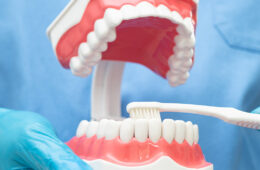
Use a soft infant toothbrush with a smear of fluoride toothpaste about the size of a grain of rice. As your child grows and more teeth come in, you can gradually increase to a pea-sized amount.
Baby’s First Dental Visit: When Should It Happen?
The American Academy of Pediatric Dentistry recommends scheduling a child’s first dental visit by their first birthday or within six months of the first tooth appearing, whichever comes first.
This might seem early, but that first visit isn’t just about the teeth. It’s a chance for the dentist to:
• Check that teeth are erupting correctly
• Identify any early signs of decay
• Assess habits like pacifier use or thumb-sucking that can affect tooth alignment
• Walk parents through proper brushing technique and diet guidance
• Help your child build a positive association with the dental chair early, before there’s any reason to be anxious
Children who start dental visits early are far more likely to maintain that relationship as they grow.
Teething and Diet: What to Know
Once teeth start arriving, diet matters more than it did before. A few things to keep in mind:
• Limit sugary drinks: juice, flavored milk, and sweetened water can pool around new teeth and cause decay quickly
• Never put a baby to bed with a bottle of anything other than water. Milk and formula, which contain natural sugars, sit against teeth all night
• Start introducing a cup around 6 months alongside bottle feeding. The American Academy of Pediatrics recommends transitioning away from bottles by 12 to 18 months
• Avoid dipping pacifiers in honey or sugar. It’s a common practice in some families, but it directly causes cavities in baby teeth
Losing Baby Teeth: What Comes Next
Baby teeth typically start falling out around age 6, starting with the same bottom front teeth that came in first. This process continues until roughly age 12–13, when the last baby molars are replaced by permanent teeth.
Those baby teeth matter more than some parents realize. They hold space in the jaw for the permanent teeth coming in behind them, help with speech development, and allow children to chew properly. Losing them to decay earlier than expected can affect the alignment of adult teeth.
Caring for baby teeth as carefully as you’ll eventually care for adult teeth pays off in ways that aren’t always visible until years later.
A Quick Teething Timeline Cheat Sheet
• 3–4 months: Drooling and chewing may begin, but no teeth yet
• 4–7 months: First tooth most likely to appear (usually lower front)
• 12 months: All babies should have at least one tooth; schedule the first dental visit if not already done
• 2–3 years: Full set of 20 baby teeth typically in place
• 6 years: First baby teeth begin to fall out
• 12–13 years: Last baby teeth replaced by permanent teeth
When to Call the Dentist
Reach out to The Smile Place if:
• Your baby has no teeth by 12–13 months
• A tooth comes in looking significantly discolored or misshapen
• You notice white spots or brown areas on any tooth as these can be early signs of decay
• Your child seems to be in significant pain that isn’t relieved by the usual comfort measures
• You have any questions about brushing technique, fluoride, or diet
We see young patients at both our Cornwall location (845-534-2030) and our Middletown location (845-342-2125), and we genuinely love helping families navigate these early dental milestones.
The Bottom Line
Most babies start teething between 4 and 7 months, though anywhere from 3 months to 12 months is within the normal range. The lower front teeth usually arrive first, and the full set of 20 primary teeth is typically complete by age 3.
Start brushing the moment that first tooth appears, schedule a dental visit by baby’s first birthday, and don’t panic if the timeline doesn’t match exactly what the books say. Every baby moves at their own pace — and your dentist is always there to answer questions along the way.
The Smile Place Family Dentistry serves families in Cornwall and Middletown, NY. To schedule an appointment or ask about any of our services, call us at 845-534-2030 (Cornwall) or 845-342-2125 (Middletown).