
This Summer Habit Could Be Quietly Cracking Your Teeth
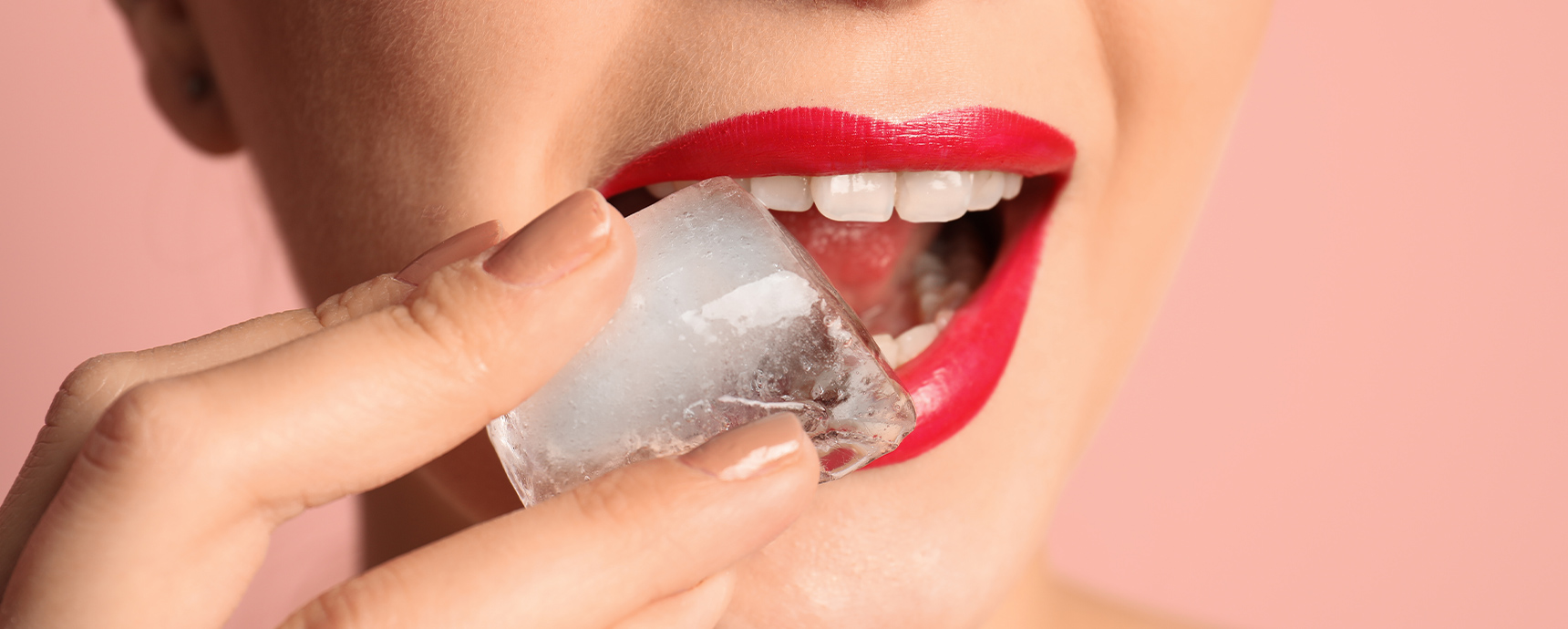
Summer brings iced drinks, backyard cookouts, and the irresistible urge to crunch on the ice left at the bottom of your glass. It feels harmless — after all, ice is just frozen water. But if chewing ice is a habit you’ve picked up, your teeth may already be paying the price. Here’s what’s actually happening when you bite down on those cubes, and what you can do instead to keep your smile healthy all season long.
The Real Risks of Chewing Ice
Your tooth enamel is the hardest substance in the human body, but it’s not indestructible — and ice is a surprisingly formidable opponent. Enamel is the thin outer layer that protects your teeth from sensitivity, decay, and damage. Every time you chew ice, you’re putting that layer under significant mechanical stress.
Ice chewing can lead to:
- Micro-fractures and cracked teeth. Repeated chewing on hard, frozen material causes tiny cracks in the enamel that deepen over time. These micro-fractures can eventually lead to visible cracks, chipped teeth, or even a tooth splitting — which often requires a crown or extraction to address.
- Increased tooth sensitivity. When enamel wears down or develops cracks, the sensitive inner layer of the tooth (called dentin) becomes more exposed. You may start to notice sharp discomfort when drinking hot coffee or cold beverages — a sign your enamel is compromised.
- Damage to existing dental work. If you have fillings, crowns, or veneers, ice chewing can loosen or chip them, leading to costly repairs that could have been easily avoided.
- Gum irritation. Sharp ice fragments can scratch or irritate the soft tissue of your gums, creating opportunities for discomfort and inflammation.
The damage doesn’t happen overnight, but it’s cumulative — and once enamel is gone, it doesn’t grow back.
Why Do So Many of Us Chew Ice?
If you find yourself compulsively reaching for the ice at the bottom of every drink, you’re not alone — and there may be more going on than just a crunchy craving.
The urge to chew ice, known medically as pagophagia, is sometimes linked to iron-deficiency anemia. Researchers believe that chewing ice may trigger increased blood flow to the brain, temporarily improving alertness in those with low iron levels. If you’ve noticed your ice-chewing habit is constant and feels compulsive rather than casual, it might be worth mentioning to your doctor at your next visit.
For others, chewing ice is simply a stress response or an oral habit — something to do with the mouth when bored, anxious, or distracted. Either way, it’s worth recognizing the pattern so you can address it.
Safer Alternatives to Satisfy That Crunch
The good news is that you don’t have to give up that refreshing cold sensation — you just need to redirect the habit.
Try these tooth-friendly swaps:
- Let the ice melt in your mouth instead of biting down. You still get the cooling effect without the mechanical stress on your enamel.
- Chilled fruit and vegetables — cucumber slices, cold grapes, or apple slices — give you a satisfying crunch that’s much gentler on your teeth and comes with nutritional benefits.
- Slushies or shaved ice have a softer texture that doesn’t require the same biting force as solid cubes. Even a simple crushed-ice option at home can do the trick.
- Sugar-free gum can help redirect oral habits, keeping your mouth busy without damaging your teeth.
- Cold sparkling water gives you that refreshing sensation with nothing to chew at all.
Your Smile Is Worth Protecting
Small habits have a big impact on your long-term dental health. Chewing ice may feel satisfying in the moment, but it’s one of those habits that quietly chips away at your enamel over time — sometimes literally. The good news is that awareness is the first step, and with a few easy swaps, you can keep enjoying your summer drinks without putting your teeth at risk.
If you’ve been a regular ice chewer and want to check in on the health of your enamel, it’s a great reason to schedule a visit with your dentist. Early detection of micro-fractures or sensitivity issues can save a lot of time — and a lot of money — down the road.
Have questions about your dental health? The team at The Smile Place Family Dentistry is here to help. Visit us at our Cornwall or Middletown, NY locations, or give us a call to schedule your next appointment.
TheSmilePlaceNY.com/blog