

You’re probably making at least one of these brushing mistakes — and so are your kids
Most families know they should brush twice a day. But knowing and doing are two very different things, especially when you have toddlers who hate the toothbrush, teenagers who rush through it, and adults who are half-asleep at the sink.
A consistent daily brushing routine for families doesn’t have to be complicated. With the right habits in place, you can protect every smile in the house from your youngest’s first baby teeth to your own.
Here’s everything you need to build a brushing routine that actually sticks.
Why a Family Brushing Routine Matters
When everyone brushes on a schedule, morning and night, together or in sequence, it stops being a chore and starts being automatic. Studies consistently show that people who brush at the same time each day are far more likely to brush for the full recommended two minutes and far less likely to skip.
Beyond habit-building, a routine protects your family from:
• Tooth decay and cavities, the most common chronic childhood disease in the U.S.
• Gum disease, which begins with plaque buildup that brushing removes daily
• Bad breath, almost always caused by bacteria that regular brushing clears away
• Costly dental treatments down the road — prevention is always cheaper than repair
At The Smile Place, we see firsthand how much of a difference consistent home care makes between routine checkups and more involved treatment plans.
The Ideal Daily Brushing Routine for Families
Morning: Right After Breakfast
Brush in the morning after eating, not before. Brushing before breakfast means your teeth are exposed to food acids right after you’ve cleaned them. Brushing after removes those acids and leftover food particles before they have time to do damage.
Timing tip: If your mornings are rushed, keep this window to 15–30 minutes after eating. Waiting longer lets acids sit on the enamel.
Night: Right Before Bed
The nighttime brush is the most important one of the day. While you sleep, saliva production drops significantly, which means your mouth’s natural defense against bacteria is reduced. Going to bed with a clean mouth gives bacteria far less to feed on overnight.
Make it the last thing before lights out. No snacks, no juice, no milk after the nighttime brush, especially for children.
How to Brush Correctly (for Every Age)
Adults and Older Teens
Use a soft-bristled toothbrush (hard bristles can wear down enamel over time)
Apply a pea-sized amount of fluoride toothpaste
Hold the brush at a 45-degree angle to the gums
Use short, gentle circular strokes, never scrub back and forth aggressively
Brush all surfaces: outer, inner, and chewing surfaces
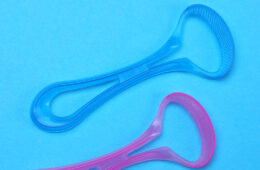
Don’t forget the tongue, bacteria live there too
Brush for a full two minutes (most people stop at 45 seconds)
Spit, don’t rinse, letting fluoride sit on the teeth briefly after brushing gives it more time to strengthen enamel
Children Ages 3–6
Children this age need help brushing. Their fine motor skills aren’t developed enough for an effective brush on their own. A parent should do the actual brushing while the child holds the brush. This way, they learn the motion while you make sure it’s actually working.
Use a toothbrush sized for small mouths and a rice-grain amount of fluoride toothpaste.
Toddlers and Babies
Start brushing as soon as the first tooth appears. Use a soft infant toothbrush or a clean, damp cloth to wipe the tooth and gumline. This builds the habit early and removes bacteria that can cause early childhood cavities.
Making the Routine Stick: Practical Tips for Families
Brush Together When Possible
Young children learn by watching. If they see a parent brushing carefully for two full minutes, they internalize that as normal. Family brushing time, everyone at the bathroom sink together, removes the argument and models the behavior simultaneously.
Use a Timer
Two minutes feels much longer than it is at the sink at 6 a.m. Set a phone timer, use a two-minute sand timer (kids love these), or play a short song. Many electric toothbrushes have built-in two-minute timers with 30-second interval pulses to remind you to move to the next quadrant.
Make It Visual for Kids
A brushing chart on the bathroom wall with stickers for each successful brush is genuinely effective with younger children. The act of adding the sticker becomes part of the routine.
Replace Toothbrushes on Schedule
A worn-out toothbrush doesn’t clean well. Replace toothbrushes (or electric brush heads) every three to four months, or sooner if the bristles are visibly frayed. Also, replace after any illness.
Common Brushing Mistakes to Avoid
Even families with good intentions make these errors:
• Brushing too hard. Aggressive pressure doesn’t clean better; it wears down enamel and irritates gums. Let the bristles do the work.
• Skipping the inner surfaces. The backs of the front teeth, especially the lower front teeth, collect plaque quickly and are often missed.
• Rinse immediately after brushing. Spitting out excess paste is fine, but rinsing with water right away washes away the fluoride before it can work.
• Rushing. Thirty seconds is not two minutes. It’s not close.
• Using the wrong size brush. A toothbrush head that’s too large can’t maneuver properly around back teeth and molars.
Brushing Is Only Part of the Picture
A daily brushing routine is the foundation — but it works best as part of a complete oral hygiene plan. That means:
• Flossing once a day to clean between teeth where brushes can’t reach.
• Using mouthwash as a finishing step, particularly for older children and adults.
• Visiting the dentist regularly. Brushing prevents a lot, but not everything. Professional cleanings remove tartar that brushing can’t touch.
When to See a Dentist
Even with an excellent daily brushing routine, certain signs mean it’s time to call the office:
• Bleeding gums that don’t improve after a week of consistent brushing and flossing
• Tooth sensitivity to hot, cold, or sweet foods
• Persistent bad breath that doesn’t respond to brushing
• Visible spots, discoloration, or anything that looks or feels unusual
• Children with visible brown spots or white streaks on their teeth
Our team at The Smile Place is always happy to take a look and answer questions. We see patients at both our Cornwall location (845-534-2030) and our Middletown location (845-342-2125).
A Simple Family Brushing Checklist
Print this out and put it on the bathroom mirror:
[ ] Brush after breakfast (morning)
[ ] Brush before bed (night)
[ ] Two full minutes, both sessions
[ ] Soft-bristled brush, correct size for each family member
[ ] Pea-sized fluoride toothpaste (rice-grain for under 3)
[ ] Gentle circular motion at 45 degrees
[ ] Clean the tongue
[ ] Spit — don’t rinse
[ ] Floss once a day
[ ] Replace toothbrushes every 3–4 months
The Bottom Line
A daily brushing routine for families doesn’t need to be elaborate. Two minutes, twice a day, with the right toothbrush and technique, done consistently, is one of the most powerful things your family can do for long-term dental health.
Start simple, be consistent, and build the rest of the routine around it. Your teeth and your future dental bills will thank you.