
A Simple Step That Makes All the Difference
When it comes to maintaining excellent oral hygiene, most people focus on the basics: brushing twice daily, flossing regularly, and using mouthwash. However, there’s one crucial step that many overlook entirely – washing your hands before and after your oral care routine. This simple yet powerful habit can dramatically impact your oral health and overall well-being.
At The Smile Place Family Dentistry, we’ve seen firsthand how small changes in daily habits can lead to significant improvements in our patients’ oral health outcomes. Our comprehensive approach to dental care includes educating patients about all aspects of oral hygiene, not just what happens inside their mouths.
The Shocking Reality: What Your Hands Touch Every Day
Before we dive into the importance of hand washing, let’s take a moment to consider the countless surfaces and objects your hands encounter throughout a typical day:
High-Touch Surfaces and Objects:
- Phone screens – Studies show that cell phones can harbor more bacteria than toilet seats
- Faucets – Particularly in public restrooms and shared spaces
- Credit cards and cash – Handled by countless people before reaching you
- Door handles – One of the most contaminated surfaces in any building
- Counter tops – Kitchen and bathroom surfaces that accumulate bacteria
- Keyboards and computer mice – Often neglected during regular cleaning routines
- Gas pump handles – Touched by hundreds of people daily
- Shopping cart handles – Rarely sanitized between uses
- Elevator buttons – Pressed by numerous fingers throughout the day
- ATM keypads – Outdoor machines exposed to weather and constant use
- Restaurant menus – Handled by multiple diners without cleaning
- Public transportation surfaces – Handrails, seats, and ticket machines
Each of these surfaces can harbor millions of bacteria, viruses, and other microorganisms that can easily transfer to your hands and, subsequently, into your mouth during your oral care routine.
The Science Behind Bacterial Transfer
Understanding Microbial Contamination
Research has shown that the average person touches their face approximately 16 times per hour, often without realizing it. When you consider that your hands can carry up to 150 different species of bacteria at any given time, the potential for contamination becomes clear.
The mouth is particularly vulnerable to bacterial invasion because it provides an ideal environment for microorganisms to thrive:
- Warm temperature (around 98.6°F)
- Moist environment from saliva
- Nutrient-rich from food particles
- Multiple entry points through gums, tongue, and oral tissues
The Oral Microbiome Connection
Your mouth naturally contains over 700 species of bacteria, forming what’s known as the oral microbiome. While many of these bacteria are beneficial and necessary for oral health, introducing harmful bacteria from contaminated hands can disrupt this delicate balance, leading to:
- Increased risk of cavities
- Gum disease and gingivitis
- Bad breath (halitosis)
- Oral infections
- Compromised immune response
The Critical Importance of Pre-Brushing Hand Washing
Why Wash Before You Floss?
Proper oral hygiene should always begin with flossing, not brushing. This sequence is crucial because flossing removes food particles and plaque from between teeth, which can then be swept away during brushing. However, if you don’t wash your hands before flossing, you’re essentially introducing harmful bacteria directly into your mouth through several pathways:
- Direct contact with gums – Flossing requires your fingers to be in close proximity to your gum line
- Handling the floss – Bacteria transfer from your hands to the floss string
- Touching your lips and mouth – Inevitable contact during the flossing process
The Domino Effect of Contamination
When you skip the pre-flossing hand wash, here’s what happens:
- Bacteria transfer from your hands to the floss
- Direct introduction of harmful microorganisms into your mouth
- Disruption of your natural oral microbiome
- Increased risk of oral health problems
- Potential systemic health impacts as oral bacteria can enter the bloodstream
The Equally Important Post-Brushing Hand Wash
Why Your Hands Need Cleaning After Oral Care
Many people assume that since they’re cleaning their mouth, their hands somehow become clean in the process. This couldn’t be further from the truth. During your oral care routine, your hands come into contact with:
- Bacteria-laden saliva
- Food particles dislodged during flossing
- Plaque and tartar removed from teeth
- Toothpaste residue that may contain loosened bacteria
The Contamination Cycle
If you don’t wash your hands after completing your oral care routine, you create a dangerous contamination cycle:
- Toothbrush contamination – Bacteria from your hands transfer to your toothbrush handle
- Surface contamination – Every surface you touch becomes a potential breeding ground
- Cross-contamination – Bacteria spread to family members’ oral care items
- Recontamination – The cycle repeats during your next oral care session
The Professional Perspective: What Dental Experts Say
Evidence-Based Recommendations
At The Smile Place Family Dentistry, our experienced team of dental professionals, including Dr. David Rothstein, Dr. Jay D. Kim, Dr. Kellie Schlosser, and Dr. David Teitelbaum, consistently emphasize the importance of comprehensive oral hygiene practices.
Clinical Observations
Our dental professionals have observed that patients who practice proper hand hygiene in conjunction with their oral care routines experience:
- Reduced incidence of gingivitis
- Lower rates of tooth decay
- Faster healing after dental procedures
- Better overall oral health maintenance between visits
- Fewer emergency dental visits due to infections
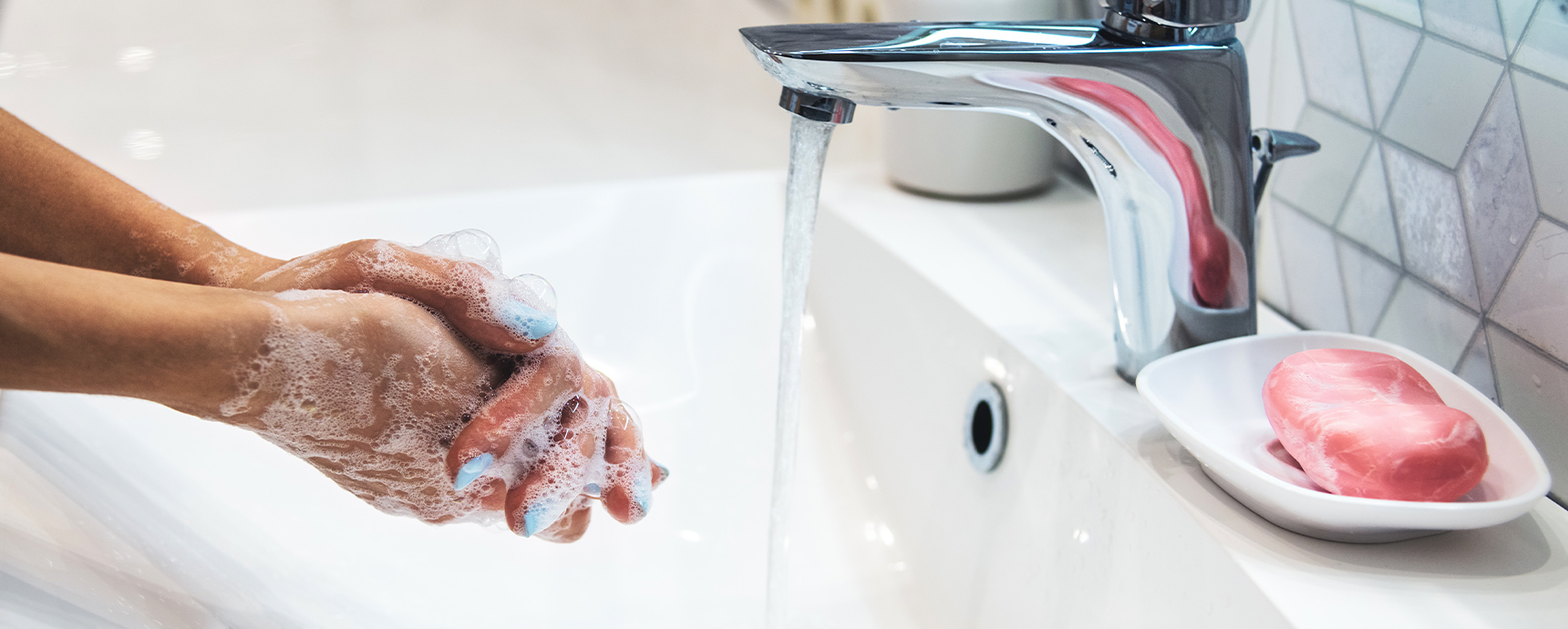
Step-by-Step Guide to Proper Hand Washing for Oral Care
Before Your Oral Care Routine:
- Use warm water – Not too hot, as this can dry out your skin
- Apply soap – Antibacterial soap is preferred, but regular soap is effective
- Scrub thoroughly for at least 20 seconds, paying attention to:
- Palm surfaces
- Back of hands
- Between fingers
- Under fingernails
- Wrists
- Rinse completely with clean water
- Dry with a clean towel or air dry
After Your Oral Care Routine:
- Repeat the same thorough process
- Pay special attention to areas that may have come into contact with saliva or toothpaste
- Clean under fingernails where bacteria can hide
- Consider using hand sanitizer as an additional precaution
The Broader Health Implications
Oral-Systemic Health Connection
The mouth serves as a gateway to the rest of your body, and poor oral hygiene has been linked to numerous systemic health conditions:
- Cardiovascular disease – Oral bacteria can contribute to heart problems
- Diabetes complications – Poor oral health can worsen blood sugar control
- Respiratory infections – Bacteria from the mouth can be aspirated into the lungs
- Pregnancy complications – Gum disease has been linked to premature birth
- Alzheimer’s disease – Some research suggests a connection between oral bacteria and cognitive decline
Immune System Support
By maintaining proper hand hygiene during your oral care routine, you’re supporting your immune system’s ability to fight off harmful pathogens. This is particularly important for:
- Children whose immune systems are still developing
- Elderly individuals who may have compromised immunity
- People with chronic conditions that affect immune function
- Anyone recovering from illness or medical procedures
Special Considerations for Different Populations
Families with Children
Teaching children proper hand hygiene habits early is crucial for lifelong oral health. Consider these strategies:
- Make it fun with songs or games during hand washing
- Use visual aids like colorful soap or fun towels
- Lead by example by always washing your own hands
- Create a routine that includes hand washing as a non-negotiable step
Individuals with Compromised Immune Systems
For those with conditions that affect immune function, extra precautions may be necessary:
- Extended hand washing time (30 seconds or more)
- Use of antimicrobial soap when recommended by healthcare providers
- Additional sanitization of oral care tools
- More frequent replacement of toothbrushes
Healthcare Workers and High-Risk Professions
Individuals who work in environments with high bacterial exposure should consider:
- Multiple hand washing sessions throughout the day
- Professional-grade sanitizers
- Barrier protection when possible
- Regular consultation with dental professionals
Common Mistakes to Avoid
Inadequate Hand Washing Technique
Many people think they’re washing their hands properly, but common mistakes include:
- Insufficient time – Rushing through the process
- Missing areas – Neglecting thumbs, wrists, or under nails
- Using cold water – Less effective for removing bacteria
- Inadequate drying – Leaving hands damp can promote bacterial growth
Timing Errors
- Washing only before OR after – Both are necessary
- Long delays between hand washing and oral care
- Touching contaminated surfaces immediately after washing
The Role of Professional Dental Care
Regular Cleanings and Checkups
While proper home care is essential, professional dental cleanings and examinations remain crucial for optimal oral health. At The Smile Place Family Dentistry, we offer comprehensive oral evaluations and professional cleanings that remove plaque and tartar that home care cannot address.
Our services include:
- Comprehensive oral examinations
- Professional cleanings (prophylaxis)
- Scaling and root planing for gum disease treatment
- Preventive care education
- Personalized oral hygiene recommendations
When to Seek Professional Help
Even with excellent home care, you should schedule regular dental visits and seek immediate care if you experience:
- Persistent bad breath
- Bleeding gums
- Tooth pain or sensitivity
- Swollen or red gums
- Loose teeth
- Changes in bite or jaw alignment
Creating a Comprehensive Oral Hygiene Routine
The Complete Daily Routine
- Wash hands thoroughly
- Floss between all teeth – Use proper technique to avoid gum damage
- Brush teeth for two minutes with fluoride toothpaste
- Clean tongue with a tongue scraper or toothbrush
- Rinse with mouthwash if recommended by your dentist
- Wash hands again to prevent contamination
- Store oral care tools properly in a clean, dry environment
Weekly and Monthly Maintenance
- Replace toothbrush every 3-4 months or after illness
- Deep clean toothbrush holders and storage areas
- Sanitize oral care tools as needed
- Check expiration dates on oral care products
- Evaluate the effectiveness of your routine
The Economic Benefits of Prevention
Cost Savings Through Prevention
Investing time in proper oral hygiene, including hand washing, can lead to significant cost savings:
- Reduced need for restorative dental work
- Fewer emergency dental visits
- Lower risk of complex procedures
- Decreased medical costs related to oral-systemic health connections
Long-term Health Investment
Consider proper oral hygiene as an investment in your long-term health and quality of life. The few extra minutes spent washing your hands can prevent:
- Costly dental procedures like root canals or extractions
- Time off work for dental emergencies
- Pain and discomfort from oral health problems
- Potential systemic health complications
A Simple Step for Significant Results
The message is clear and simple: WASH. YOUR. HANDS. This fundamental hygiene practice, when incorporated into your oral care routine, can dramatically reduce the number of harmful germs and bacteria that enter your mouth.
At The Smile Place Family Dentistry, we believe that excellent oral health starts with excellent habits. By washing your hands before and after your oral care routine, you’re taking a proactive step toward:
- Protecting your oral health
- Supporting your immune system
- Preventing costly dental problems
- Maintaining overall wellness
- Setting a positive example for family members
Remember, we’re here to support you on your oral health journey. Whether you need a routine cleaning, have questions about proper oral hygiene techniques, or require more complex dental care, our experienced team is ready to help.
Don’t let something as simple as unwashed hands compromise your oral health. Make hand washing an integral part of your daily oral care routine, and experience the difference that this small change can make in your overall health and well-being.
Schedule your next appointment with The Smile Place Family Dentistry today and let us help you achieve the healthy, beautiful smile you deserve!