
Recognizing these warning signs can help you understand that you deserve better, and more importantly, that better exists
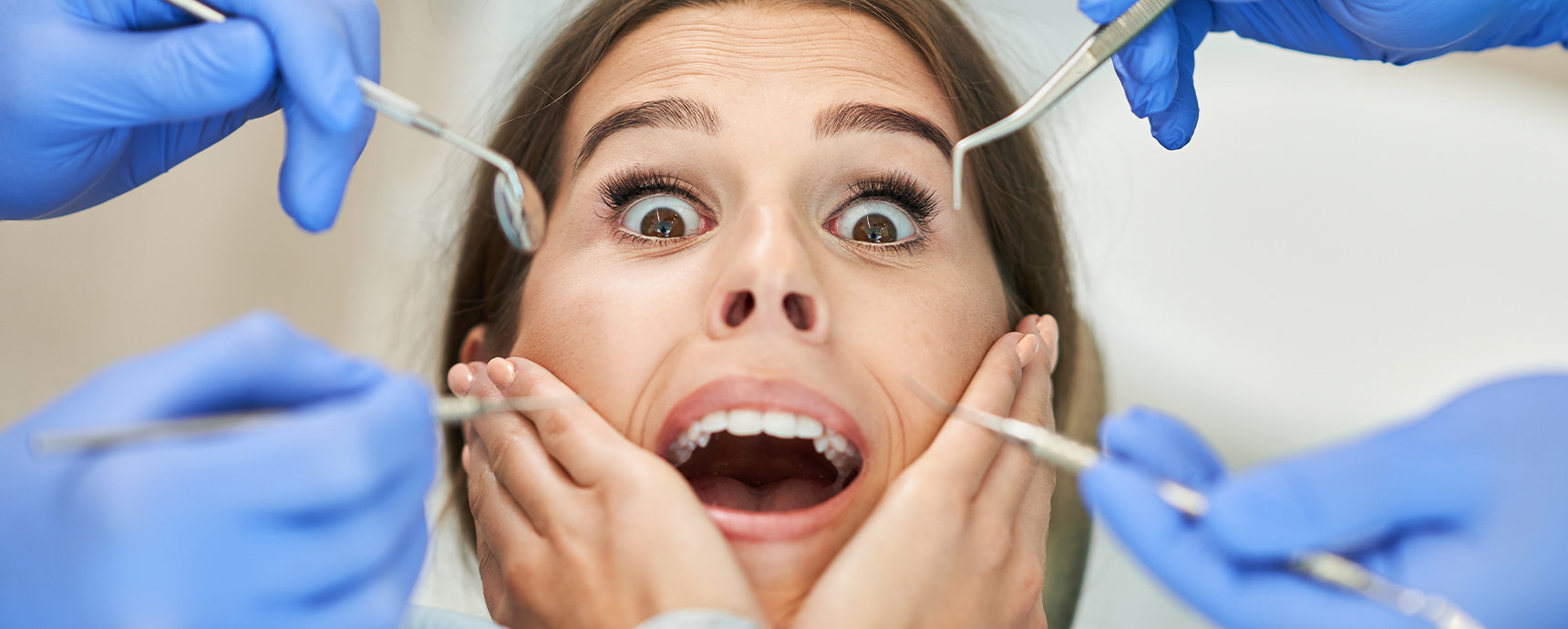
That knot in your stomach when you walk through the dental office doors isn’t something you just have to live with. While dental anxiety affects countless people, not all dental experiences are created equal. Some offices inadvertently amplify your stress rather than easing it, turning what could be a manageable appointment into an ordeal that keeps you awake the night before.
The truth most people don’t realize is this: your heightened anxiety might not be entirely about dentistry itself. It might be about where you’re receiving care and how that environment treats your very real concerns. Understanding the difference between normal nervousness and anxiety that’s being unnecessarily escalated can transform not just your dental visits, but your overall oral health journey.
If you’ve been blaming yourself for dreading dental appointments, it’s time to examine whether your dental office is actually part of the problem. Recognizing these warning signs can help you understand that you deserve better, and more importantly, that better exists.
The Communication Disconnect That Leaves You in the Dark
Picture yourself reclined in the dental chair, your mouth open, unable to speak or ask questions. The dentist and hygienist are having a conversation above you using terminology you don’t understand. They mention numbers, reference parts of your mouth with clinical precision, and occasionally make sounds that could mean anything from “perfectly normal” to “serious problem.” You’re left to fill in the blanks with your worst fears.
This communication breakdown represents one of the most damaging patterns in dental offices that worsens anxiety. When dental professionals fail to explain what they’re doing, why they’re doing it, and what you should expect to feel, they leave you trapped in uncertainty. Your imagination fills those gaps, and anxiety thrives in ambiguity.
The principle here extends beyond dentistry into fundamental human psychology. When we lack information about what’s happening to our bodies, our minds default to threat assessment. Every unfamiliar sensation becomes potentially dangerous. Every pause in the procedure becomes ominous. The dental office that operates without clear, proactive communication is essentially asking your nervous system to remain on high alert throughout your entire visit.
What this looks like in practice: Your dentist begins procedures without explaining the steps. Staff members discuss your treatment plan using jargon without translation. You’re never told what sensations are normal or how long different portions of treatment will take. Questions you ask receive rushed or dismissive responses that make you feel like you’re being bothersome.
A stress-free dental experience operates on the opposite principle. Every step is explained before it happens. You’re told what you’ll feel, hear, and experience. There’s a mutual understanding that your comfort includes mental comfort, which requires information and clarity. The gentle dentist approach recognizes that knowledge reduces fear, while mystery amplifies it.
The Rush That Communicates You’re Not Worth Their Time
Time pressure creates stress in every area of life, but in a dental setting, it can be absolutely suffocating. When you sense that your dental team is rushing through your appointment, checking the clock, or showing impatience with your questions or concerns, your body receives a clear message: you need to hurry this along, regardless of your comfort level.
This rushed atmosphere manifests in multiple ways throughout your dental visit. The hygienist might work at a pace that feels aggressive rather than thorough. Your dentist might enter the room for only a few minutes, deliver information rapid-fire, and exit before you’ve processed what was said. Staff members might hover near the door or exhibit body language that suggests they’re already thinking about the next patient.
The psychology of feeling rushed directly contradicts the mental state needed to manage dental anxiety. Calming your nervous system requires permission to take your time, to breathe, to pause when you need to collect yourself. When the environment communicates urgency instead of patience, your stress response intensifies. You feel pressure to suppress your needs, to “just get through it,” to prioritize efficiency over your wellbeing.
Patient-first dentistry operates from an entirely different framework. Time is allocated not just for the clinical procedures but for the emotional and psychological needs that accompany them. There’s space for questions, for breaks if you need them, for the gradual building of trust that happens when someone feels genuinely cared for rather than processed.
Consider how different your experience would feel if your dental team conveyed through their actions that they had all the time you needed. If questions were welcomed rather than tolerated. If pauses for breathing or composure were normalized rather than treated as inconvenient delays. This shift in pacing doesn’t just make appointments more pleasant; it can fundamentally alter your relationship with dental care.
The Environment That Feels Clinical Rather Than Comfortable
Walk into some dental offices, and you’re immediately transported to a sterile, institutional environment that screams “medical procedure.” The lighting is harsh and fluorescent. The chairs are standard-issue medical furniture. The walls are bare or decorated with nothing but clinical diagrams of teeth and gums. The air might smell strongly of disinfectant. Background noise consists of drilling sounds from other treatment rooms.
Every sensory detail of this environment sends signals to your brain about what kind of experience you’re about to have. When those signals all point toward “intimidating medical setting,” your anxiety has environmental reinforcement at every turn. Your nervous system can’t relax because everything around you is coded as clinical, serious, and potentially threatening.
The concept of environmental psychology teaches us that our surroundings profoundly affect our emotional states. Hospitality industries have understood this for decades, which is why hotels, spas, and restaurants invest heavily in creating atmospheres that make people feel good. The welcoming dental practice applies these same principles to healthcare settings.
Imagine instead walking into a space that feels more like a comfortable living room than a medical facility. Warm lighting, comfortable seating, perhaps music or nature sounds that mask clinical noises from treatment areas. Visual elements that calm rather than clinical diagrams that remind you why you’re nervous about being there. Small touches that communicate someone thought about your comfort and experience.
These environmental factors matter more than many people realize. When your senses are taking in calming inputs rather than sterile, medical ones, your body’s stress response naturally moderates. You’re not fighting against environmental anxiety triggers while also trying to manage your dental fears. The comfortable dental office removes layers of unnecessary stress before your treatment even begins.
The Dismissive Response to Your Legitimate Concerns
Perhaps the most damaging sign that your dental office is worsening your anxiety is when your concerns are minimized, dismissed, or treated as exaggerated. You mention feeling nervous, and you’re told “there’s nothing to worry about” without any acknowledgment of why you feel worried. You express discomfort during a procedure, and the response suggests you’re being overly sensitive. You ask about pain management options, and you’re made to feel like you’re requesting something unreasonable.
This dismissive approach to dental fear solutions creates a toxic cycle. Your anxiety is real and valid, rooted in past experiences, natural protective instincts, or legitimate concerns about pain and vulnerability. When dental professionals respond as though your feelings are irrational or unimportant, you learn to suppress your needs rather than communicate them. This suppression doesn’t make the anxiety disappear; it makes it internal, unaddressed, and often more intense.
The principle at work here relates to psychological safety—the feeling that you can express yourself without judgment or negative consequences. In any relationship where vulnerability is required, psychological safety is essential. Dental care requires you to be physically vulnerable, to trust others with your body, and to endure discomfort for future benefit. Without psychological safety, that vulnerability feels dangerous rather than therapeutic.
Think about how it feels when someone truly listens to your concerns without judgment, when your fears are met with empathy rather than dismissal. When accommodations are offered without making you feel burdensome. This validation doesn’t magically eliminate anxiety, but it changes the experience from one where you’re fighting alone against your fears to one where you have support and understanding.
A dental office committed to addressing dental anxiety takes your concerns seriously, regardless of how common or routine the procedure might be to them. They understand that your experience is what matters, not whether the dental team thinks you “should” feel anxious. This shift from judgment to support creates space for genuine trust to develop.
When staff members acknowledge your anxiety as legitimate, offer concrete strategies to help you manage it, and demonstrate patience with your needs, they’re doing more than providing good customer service. They’re creating conditions where healing can happen, where fear can gradually diminish, and where you can begin to associate dental care with support rather than stress.
The One-Size-Fits-All Approach to Treatment and Care
Every person’s relationship with dental anxiety is unique. Some people struggle with specific aspects of treatment: the sounds, the sensations, the lack of control. Others carry trauma from past negative experiences. Still others have general anxiety that manifests particularly strongly in medical settings. Despite this diversity of experience, some dental offices operate as though everyone should be comfortable with the same standard approach.
This rigid, one-size-fits-all methodology fails to recognize a fundamental truth: effective anxiety management requires personalization. What helps one person feel calm might do nothing for another. The flexibility to adapt approaches based on individual needs isn’t a luxury in dentistry focused on managing fear; it’s essential.
Picture a dental office that never asks about your specific concerns or preferences. Where everyone receives the same standard treatment regardless of their comfort level. Where accommodations for anxiety, whether that’s extra numbing, breaks during procedures, or different positioning, are seen as special requests rather than normal variations in care. Where the protocol matters more than the person.
This inflexibility sends a message that the systems and procedures of the office take priority over your individual experience. For someone already struggling with dental anxiety, this message reinforces feelings of powerlessness and lack of control—two elements that intensify fear rather than reduce it.
The stress-free dental experience recognizes that flexibility isn’t a compromise on quality; it’s an enhancement of care. When a dental team asks about your specific concerns, discusses various options for managing anxiety, and adapts their approach based on what works for you, they’re treating you as an individual rather than a case number. This personalization builds trust exponentially faster than any standardized protocol ever could.
Consider the difference between being told “this is how we do things here” versus “what would help you feel most comfortable?” The first statement closes down possibility and requires you to adapt to the office’s preferences. The second opens up collaboration and signals that your needs matter in determining the approach. This distinction might seem subtle, but its impact on anxiety levels is profound.
Understanding What You Deserve: The Path Forward
If you’ve recognized your own experiences in these warning signs, you might be feeling a mix of validation and frustration. Validation because your difficult dental experiences weren’t just about your personal shortcomings or irrational fears. Frustration because you’ve been enduring unnecessary stress that could have been prevented by a different approach to care.
Here’s what matters most: recognizing these patterns isn’t about blame or judgment toward dental offices that operate this way. Many dental professionals simply weren’t trained to prioritize anxiety management or create environments optimized for fearful patients. They focus on clinical excellence without necessarily understanding how dramatically their communication style, office environment, and approach to patient concerns affect outcomes.
But understanding that these patterns exist and recognizing them in your own experiences empowers you to make different choices. Dental anxiety doesn’t have to be a permanent fixture in your life. The right environment, the right approach, and the right team can transform your relationship with oral healthcare entirely.
A truly patient-first dentistry model understands that your emotional comfort is as important as your physical treatment. That taking time to explain procedures isn’t inefficient; it’s essential. That creating a welcoming atmosphere isn’t superficial decoration; it’s a therapeutic intervention. That treating your concerns with respect isn’t coddling; it’s professional excellence.
When you work with a gentle dentist and team who specialize in managing dental fear, you’ll notice immediate differences. Communication becomes clear and proactive. Time pressure disappears, replaced by patience and understanding. The environment feels designed for comfort rather than clinical efficiency. Your concerns are met with problem-solving rather than dismissal. Treatment plans adapt to your needs rather than forcing you to adapt to rigid protocols.
These aren’t luxury additions to dental care; they represent what quality oral healthcare should look like for everyone, especially those managing anxiety. You deserve a dental experience where your fears are addressed rather than amplified. Where you leave feeling proud of yourself for attending rather than traumatized and determined to avoid future appointments at all costs.
Your Dental Health Shouldn’t Come at the Cost of Your Peace of Mind
The ultimate truth about dental anxiety is this: while some nervousness about dental procedures might be natural, the intense dread and stress that keeps people away from necessary care often stems from environments that make anxiety worse rather than better. You don’t have to accept that level of distress as inevitable.
Your oral health is too important to neglect because dental visits feel overwhelming. The connection between dental health and overall wellness—from heart health to immune function to quality of life—means that avoiding dental care has consequences that extend far beyond your teeth. But addressing those health needs shouldn’t require you to suffer through experiences that leave you shaking and dreading the next appointment.
The five signs explored here serve as a diagnostic tool for evaluating your current dental care situation. If your office exhibits multiple of these patterns, you’re not being overly sensitive or unreasonable to feel anxious. You’re responding naturally to an environment that’s triggering stress responses rather than managing them. Recognizing this distinction frees you from self-blame and points you toward solutions.
Seeking out a comfortable dental office that specializes in anxiety management isn’t admitting defeat or requiring special treatment. It’s making an informed choice about where to invest your trust and your healthcare dollars. It’s recognizing that different approaches yield different outcomes, and you deserve an outcome that includes both excellent clinical care and emotional well-being.
The journey from dental anxiety to confident, regular dental care doesn’t require you to become a different person or somehow “get over” your fears through willpower alone. It requires the right environment, the right support, and the right approach, elements that a truly welcoming dental practice provides as standard care rather than special accommodation.
If you’ve been struggling with dental anxiety, consider this your permission to expect more. To seek out dental professionals who understand that managing fear is part of providing excellent care. To find an environment where your concerns are validated and addressed rather than dismissed. Your dental health matters, and so does your peace of mind. With the right dental team, you can have both.
Ready to experience dental care that actually reduces anxiety instead of creating it? The Smile Place specializes in creating stress-free dental experiences for patients who’ve struggled with dental fear. Our patient-first approach means your comfort and confidence are as important as your clinical outcomes. Discover what dental care feels like when your needs truly come first. Schedule a consultation and experience the difference that understanding and expertise make.